Courses
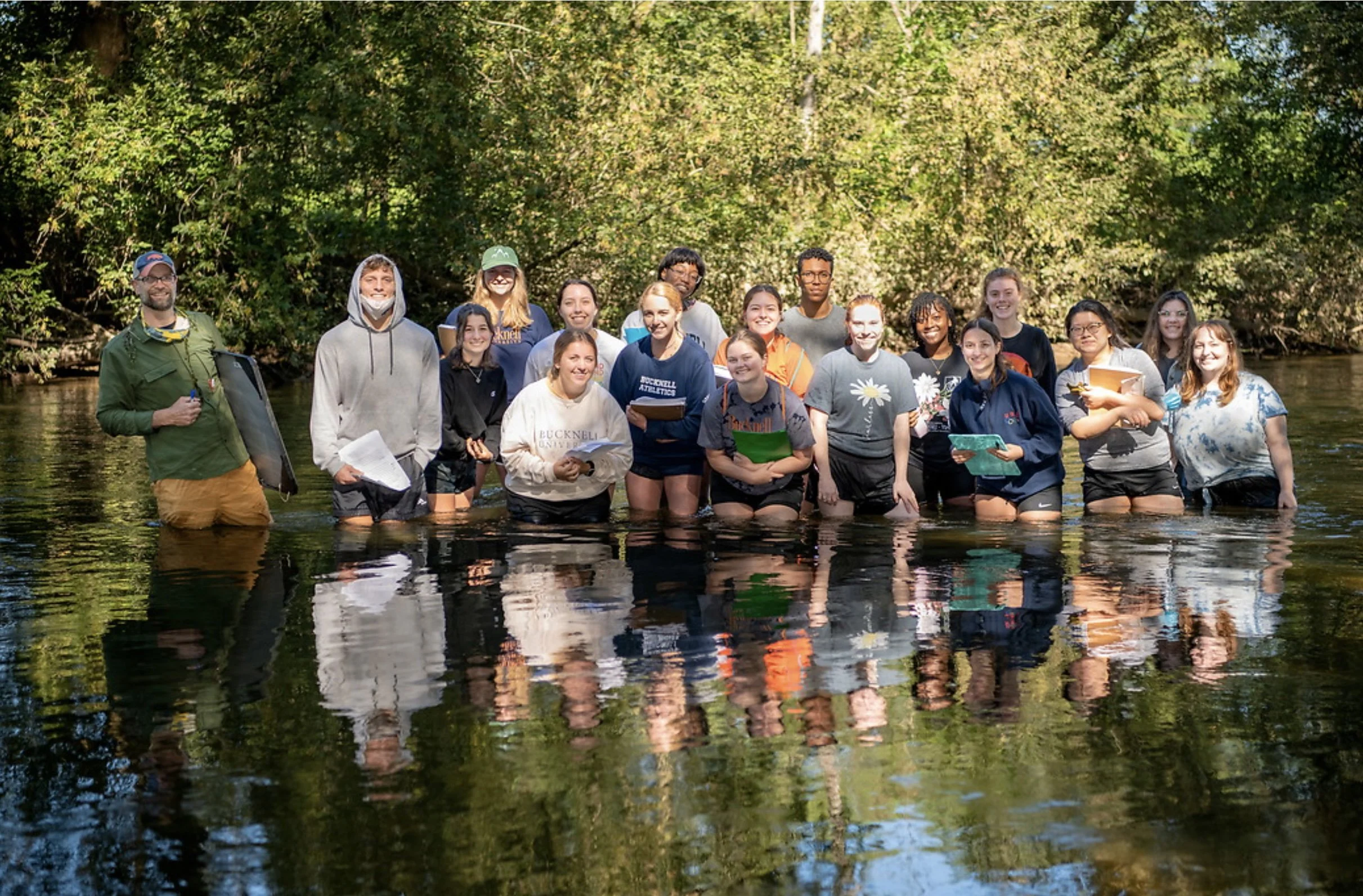
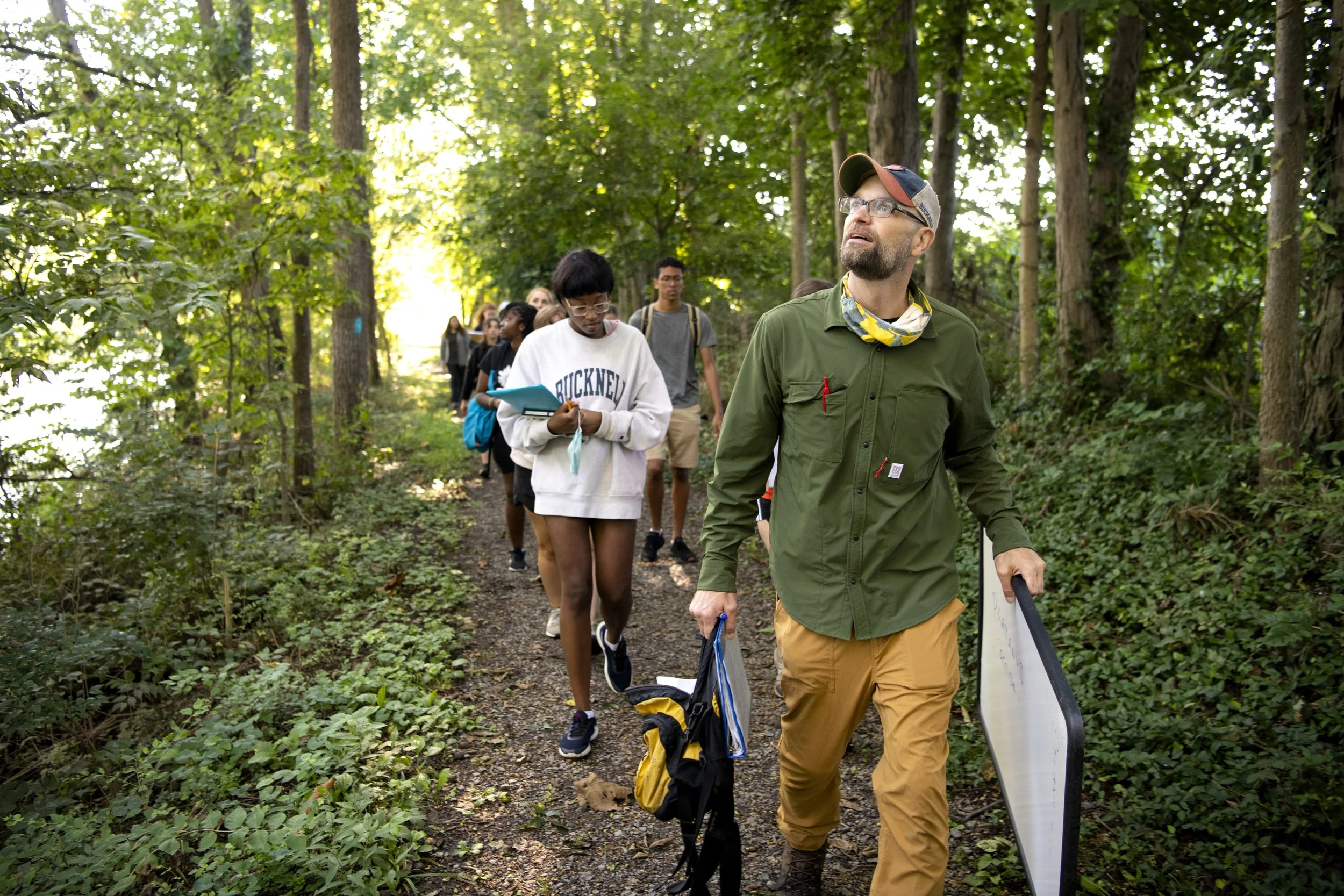
BIOL 351: Field Botany
Field Botany is a deep dive into plant/forest ecology and an outdoor field complement to lecture-and lab-based organismal biology coursework offered in our Biology curriculum. The 15-week course includes 20 field trips (rain or shine) to local natural areas, with on-site lessons on the identification and natural history of the Northeast flora. Key concepts covered include plant/animal co-adaptations, plant community dynamics, interactions between native and exotic species, and local history viewed through the lenses of human ecology and resource extraction. Offered every fall semester.
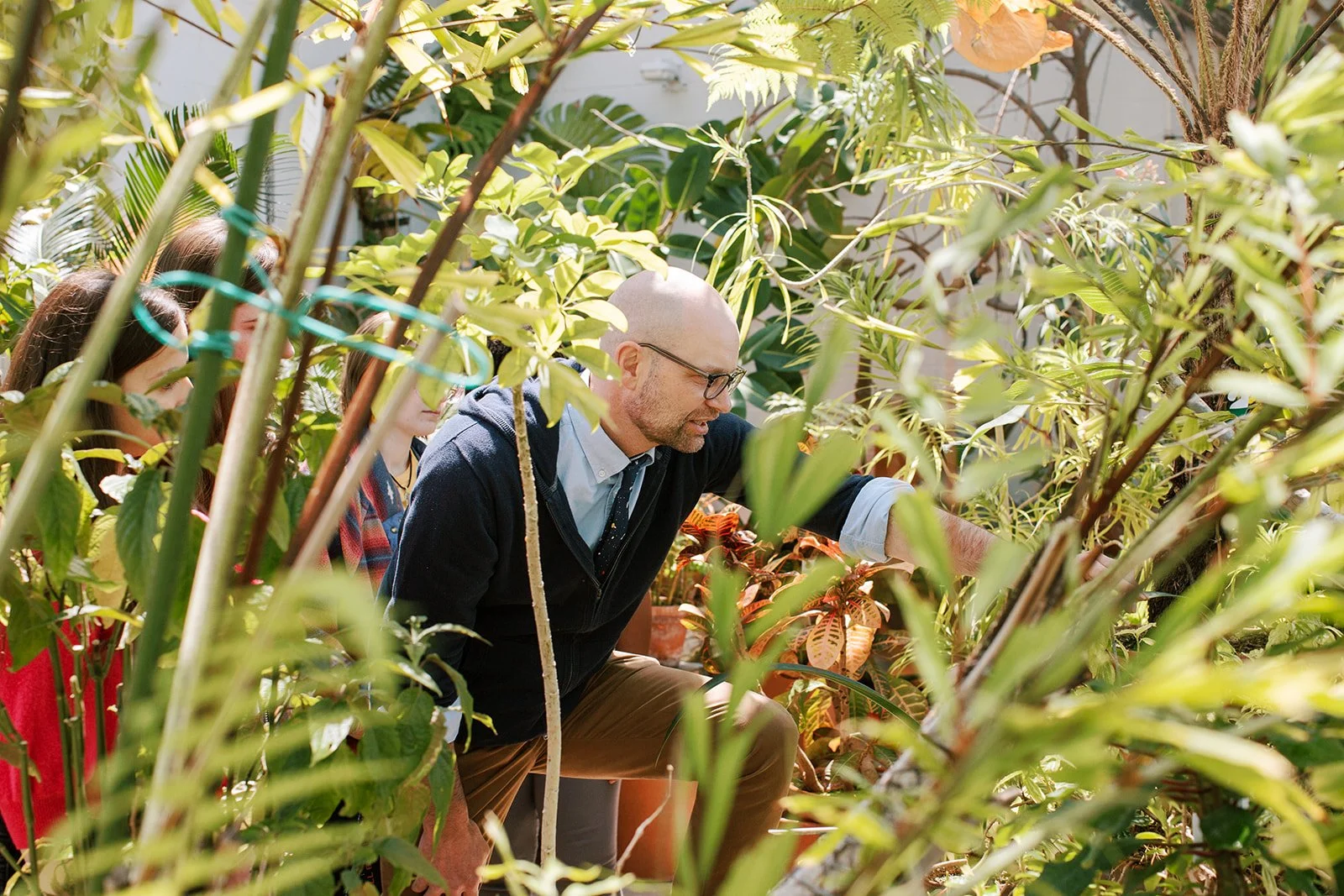
BIOL 202: Course-based Undergraduate Research Experience (CURE)
This first-year course is an authentic research experience using student-designed experiments to test hypotheses, collect and analyze data, and present results. Doc Martine’s section of the course uses the Biology research greenhouse as the setting for a set of investigations into the unusual reproductive biology of Australian bush tomatoes, including questions related to sexual systems evolution and ecology.
Past Courses
BIOL 201: Biological Inquiry and Observation: World of Treasures
A first-year seminar course focused on the ongoing task of finding, describing, and naming the species on our planet. The course covers the history of species “discovery” and taxonomy, the science of biodiversity description in the current day, and the process of giving names to living organisms – using the instructor's own current work in describing new plant species as both a case study and an opportunity for students to participate in species description. The connections of this centuries-old scientific endeavor to conservation, policy, geopolitics, and histories of colonialism/exploitation are explored; and the link between the hunt for species and public excitement for biodiversity science is examined, including roles now being played by social/new media and electronic publishing. Central text: The Species Seekers by Richard Conniff.
BIOL 150: Plants, People, and Environment
Lecture-based course for non-majors. An introduction to a single kingdom of organisms: Plants! Students learn about the form, diversity, evolution, and ecology of plants – with a focus on the similarities and key differences between plants and humans/animals. Includes readings from selected texts and viewings of the “Plants are Cool, Too!” video series.
UNIV 200: Integrated Perspectives: Art and Sex Through the Lens of Botany
Co-taught with Anna Kell
This IP section integrates the professional perspectives of a visual artist and a botanist into one course that seeks to impart the importance of making connections across disciplines and the value of visual literacy, across academic lines. The course introduces foundational concepts in each field and encourages students to integrate these different systems of knowledge and to explore their intersections. In this course, students are encouraged and empowered to make meaningful expressions and creative contributions to a greater cultural dialogue or art and science. The interdisciplinary approach to botany and to creating art provides students a new appreciation and understanding for each field, but also an awareness of the ways they can contribute meaningfully to cultural dialogue through the integration of science and art.
BIOL 330: Plant Systematics
An exploration of the diversity of plant life on Earth. All major higher plant groups are covered, but the primary focus is on the families of flowering plants. Students learn to recognize the characteristics of approximately 115 plant families while becoming familiar with their distributions, natural history, evolutionary relationships, and ethnobotanical uses.