The Martine Lab currently works in two primary study systems: 1) Taxonomy/systematics and ecology/evolution of reproductive biology in Australian spiny solanums, and 2) Conservation and ecology of rare plants of the Central Appalachian region of the United States. We have also conducted recent research in other areas including floristics, ecologically invasive species, and inclusive pedagogy. For a full list of lab publications, visit the Publications page.
Projects
Australian spiny solanums
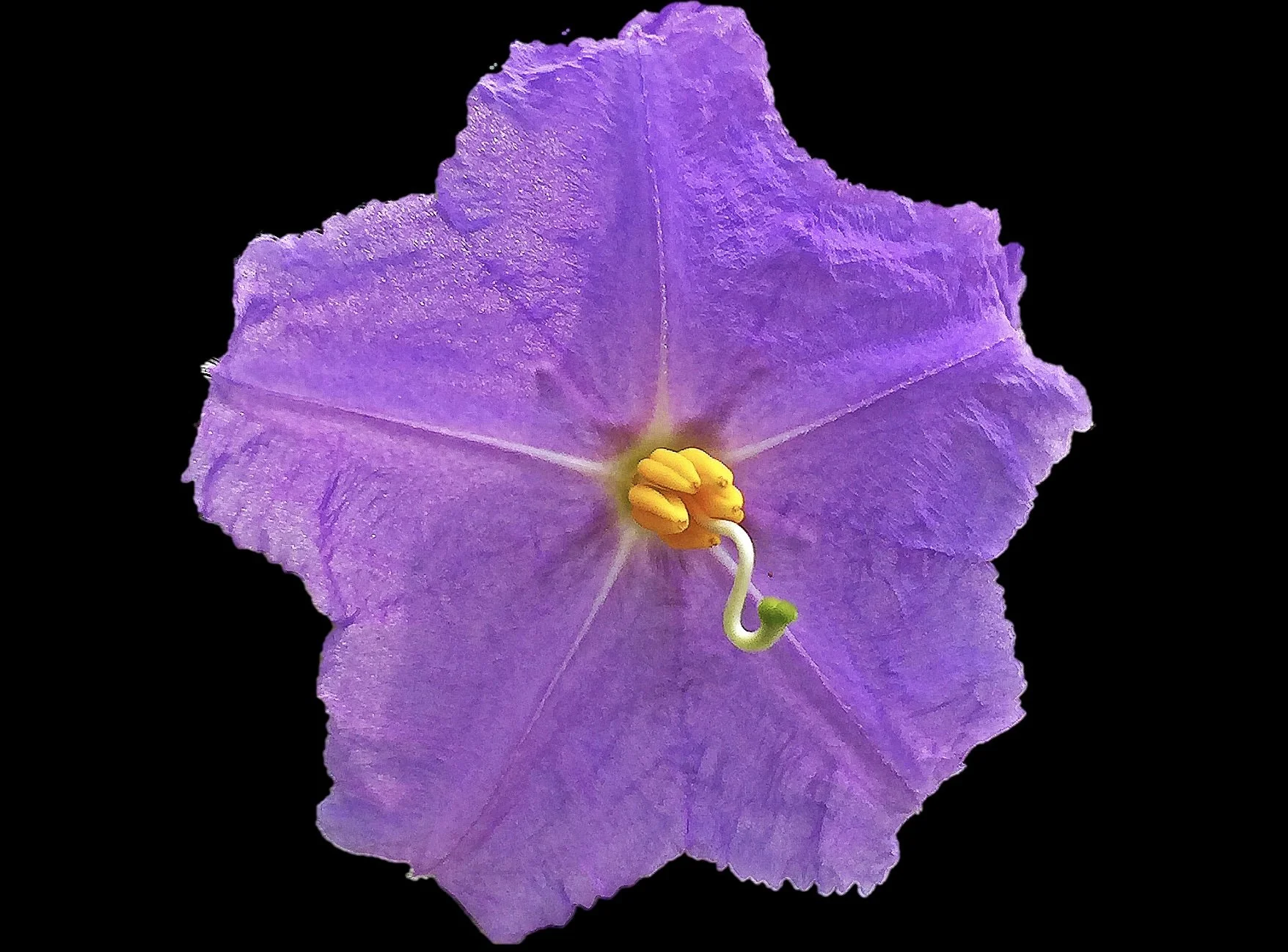
Solanum is one of the largest genera on Earth, with 1200+ species occurring on all continents except Antarctica. Despite being a well-studied and economically important group, Solanum is still rife with mysteries and surprises. The Australian bush tomatoes of the Leptostemonum Clade (‘spiny solanums’), particularly the ca. 45 species in the ‘S. dioicum + S. echinatum Group,’ continue to be a model of adaptive radiation linked to reproductive biology characters. Already established as an ideal clade for studying sexual system evolution given the presence of andromonoecy, cosexuality, and functional dioecy (via production of inaperturate pollen in morphologically cosexual flowers), our current student-driven work in the group has generated new inferences in reproductive biology including seed dispersal strategies (censer and trample bur dispersal) and plant-insect interactions (pollination and extrafloral nectar production). We are applying inferences gained from the analysis of genomic and population genetic data to better understand species boundaries, evolutionary transitions, and patterns of biodiversity in the clade; and we have described eight new species in the group – with at least five more coming soon.
In recent years, we have also collaborated on an NSF-funded project with Penn State Anthropologist Dr. Rebecca Bird and colleagues assessing the genetic and ecological effects of Traditional use and management of Solanum diversiflorum (wamula) by the Martu community of the Western Desert.
Rare plants of Central Appalachia
Pennsylvania’s latitude manifests in plant communities containing elements of both northern and southern floras. Pennsylvania intercepts six distinctly different ecological regions from the coastal plain along the North Atlantic Coast west to the high elevations of the Allegheny Plateau. Among these regions is the Central Appalachian Ecoregion that extends from eastern Tennessee to northern Pennsylvania. This region is considered one of the most diverse geographic zones of the eastern United States and harbors some of the world’s most intact and diverse forest and freshwater ecosystems – with over 200 globally rare plants and animals.
One of the primary concerns for the conservation of globally rare plant species is maintaining (or increasing) genetic diversity within populations. Increased genetic diversity facilitates resilience and adaptability of populations to changing habitat conditions. Often, edge populations exhibit higher genetic diversity than central populations due to gene flow from other edge populations within a species range. However, edge populations that are isolated by distance from other edge populations experience decreased genetic diversity and increased inbreeding depression. In order to effectively conserve globally rare and state endangered plants, it is necessary to understand the status of their genetic diversity within the state and throughout their ranges.
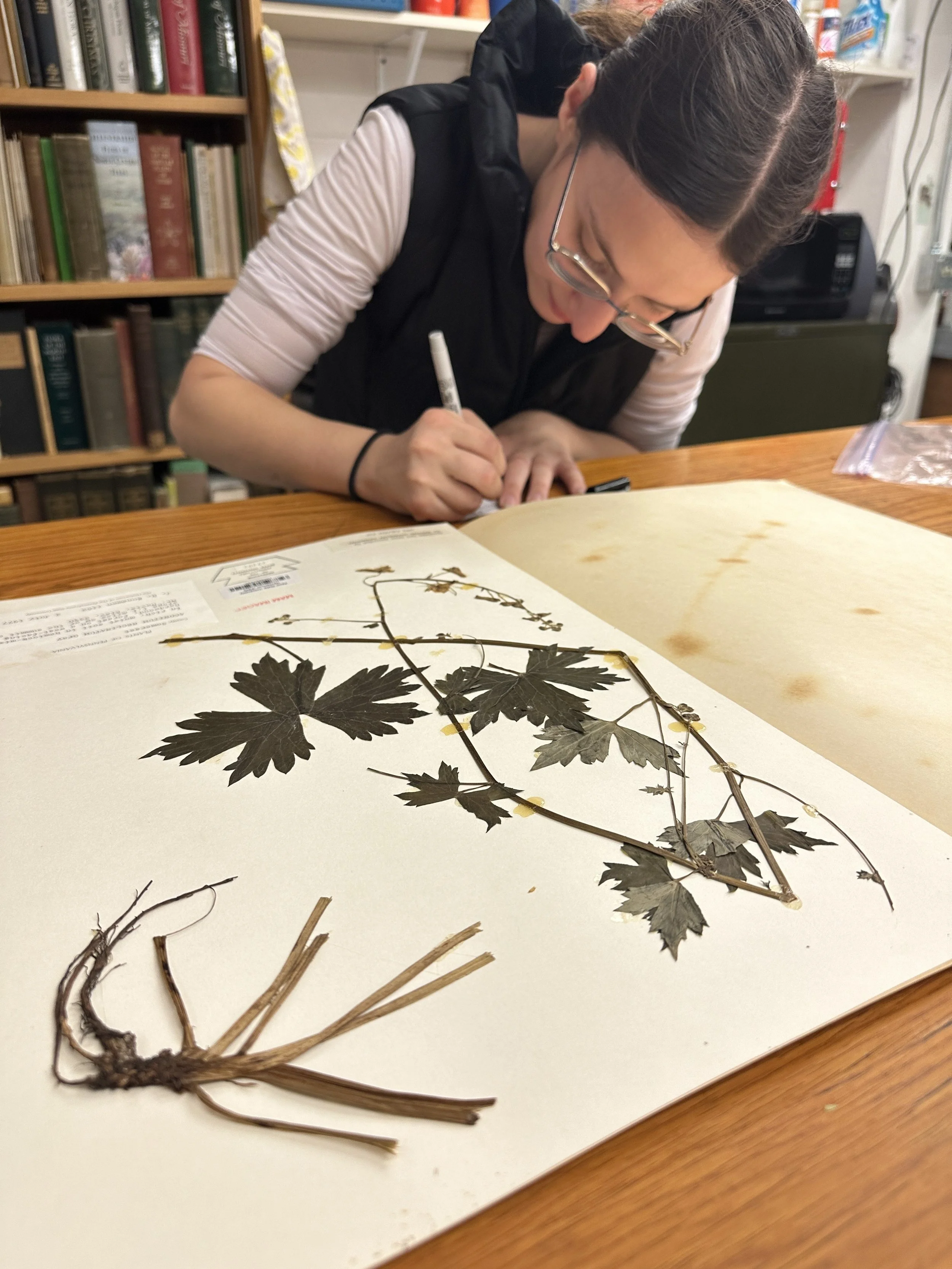
Our lab has been collaborating with botanists affiliated with Natural Heritage Programs from multiple states (including projects co-leader Scott Schuette of the Western Pennsylvania Conservancy) on research focused on species of concern including Paxistima canbyi (Canby’s mountain lover, Celastraceae),Aconitum reclinatum (white monkshood, left), Erigenia bulbosa (harbinger-of-spring), Baptisia australis (blue false indigo, Fabaceae), Polemonium vanbruntiae (bog Jacob’s ladder, with Tanisha Williams’ lab at the University of Georgia), and Gaylussacia brachycera (box huckleberry, with Lauren Eserman-Campbell’s lab at the Atlanta Botanic Garden). We also have a long-standing collaboration with Ryan Folk’s lab at Mississippi State assessing the distribution and biology of Heuchera alba (white alumroot) – and Rebecca Beneroff’s current Master’s project focuses on the morphology and circumscription of Penstemon canescens (Appalachian beardtongue).
Other Stuff
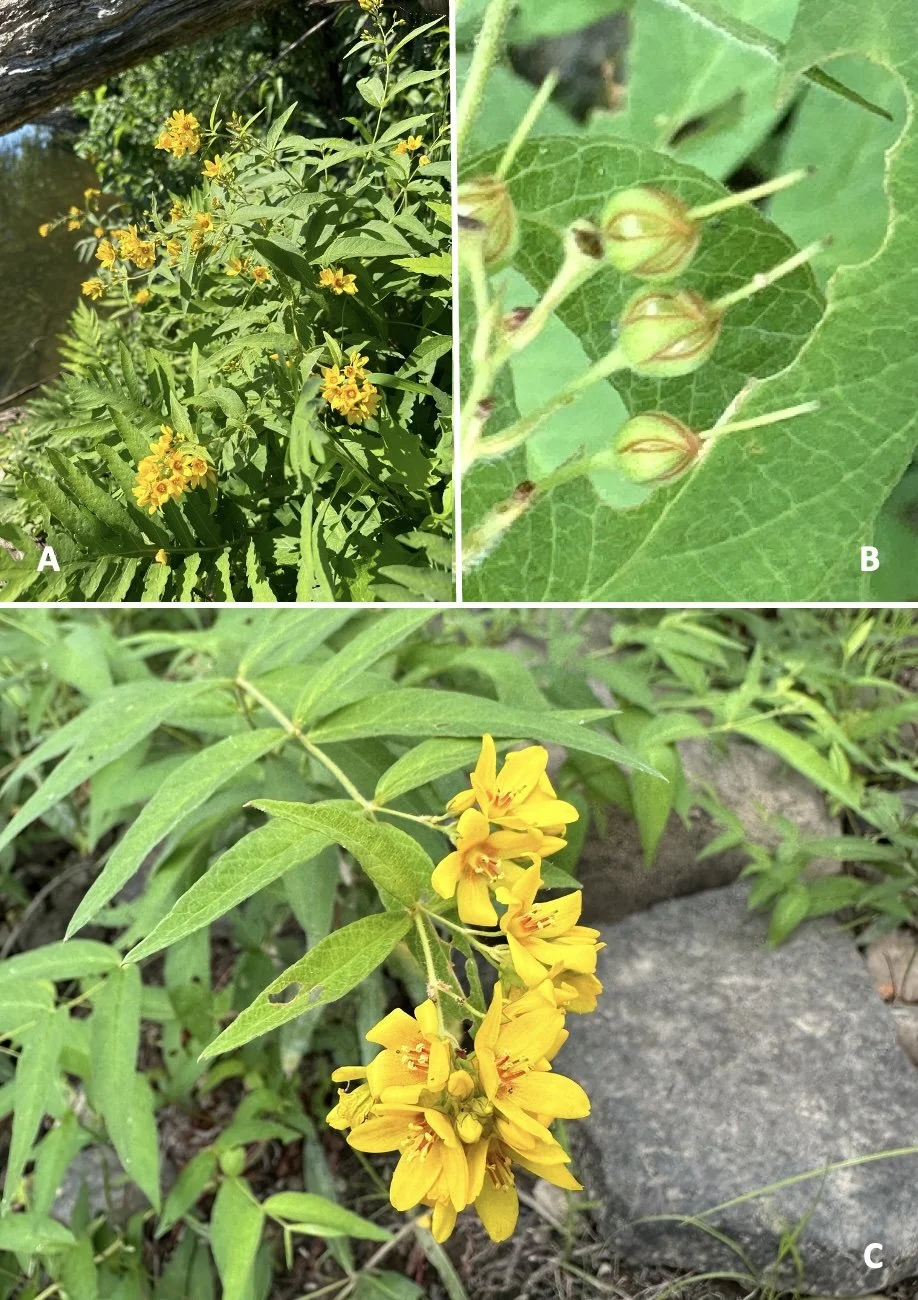
The Martine Lab has engaged in lots of other plant-related work, as well, either by collaborating with labs at other institutions or by establishing new study systems at Bucknell. Two areas of consistent effort have been floristic work and (sometimes in parallel) research on species that are exotic and/or invasive in the Mid-Atlantic region. The latter area has generated recent student-coauthored papers on Lysimachia vulgaris (garden loosestrife, left), Cercidiphyllum japonicum (katsura tree), and Fallopia japonica (Japanese knotweed).
We have also done work to examine elements of inclusive pedagogy, especially (given the lab’s interest in reproductive systems) with regard to how instruction can address and embrace the diverse nature of sex and sex expression across all organisms.