Media
Herbarium records lead Bucknell researcher to a new plant species in the Australian outback
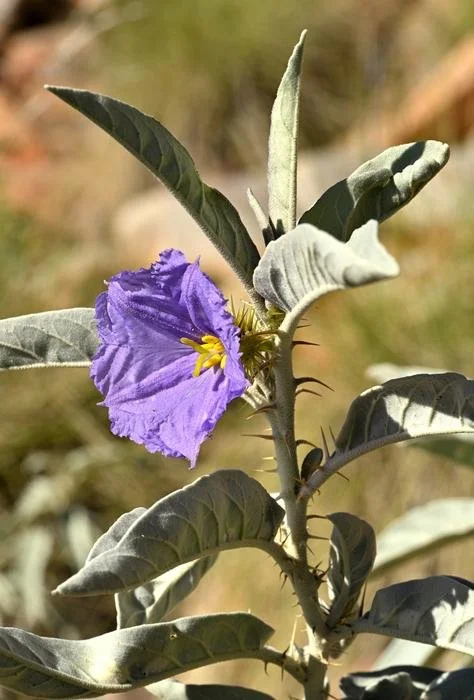
A recent study led by Bucknell University Professor Chris Martine, biology, the David Burpee Professor in Plant Genetics & Research, has identified and described a new species of bush tomato with a special connection to ants — a taxonomic journey sparked by unusual specimens held in Australian herbarium collections.
The WildStory: A Podcast of Poetry and Plants
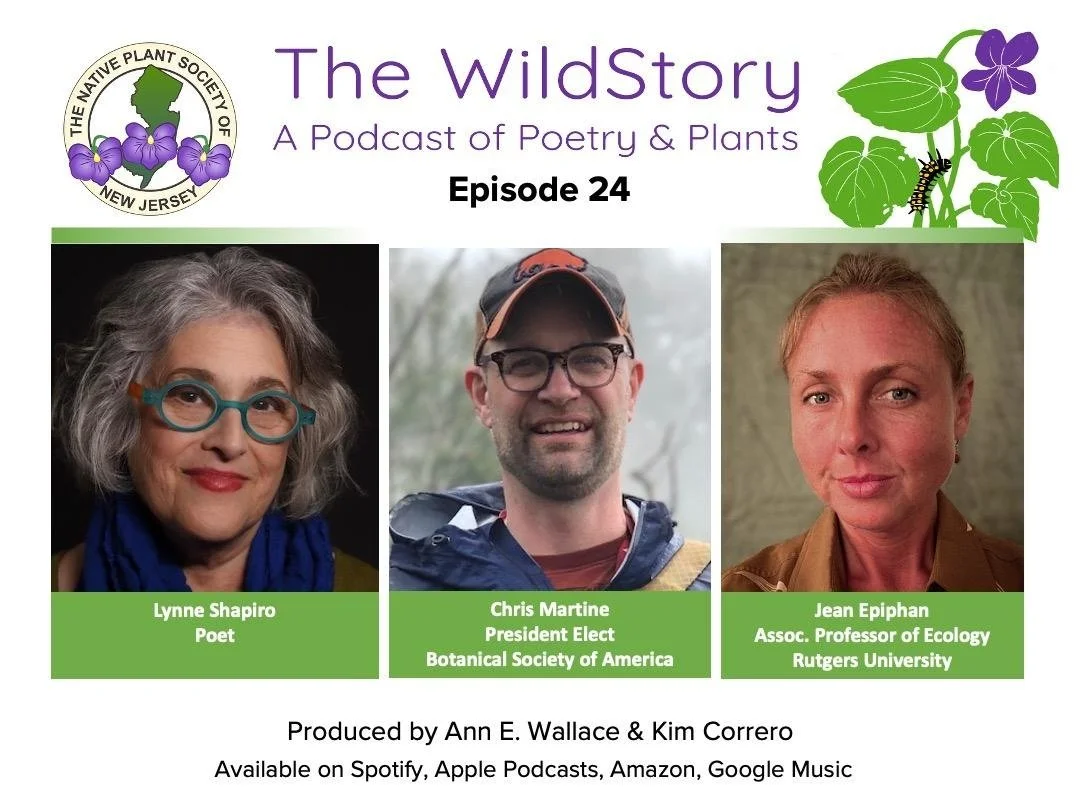
In this episode, Kim sits down with Chris Martine, who is the President-Elect of the Botanical Society of America and the David Burpee Professor of Plant Genetics and Research at Bucknell University. He shares stories behind his newly re-published field guides from the NJ Forest Service, Trees of New Jersey and the Mid-Atlantic States, and Shrubs and Vines of New Jersey and the Mid-Atlantic States.
Bucknell Couple Publishes Field Guide to Shrubs and Woody Vines of the Region
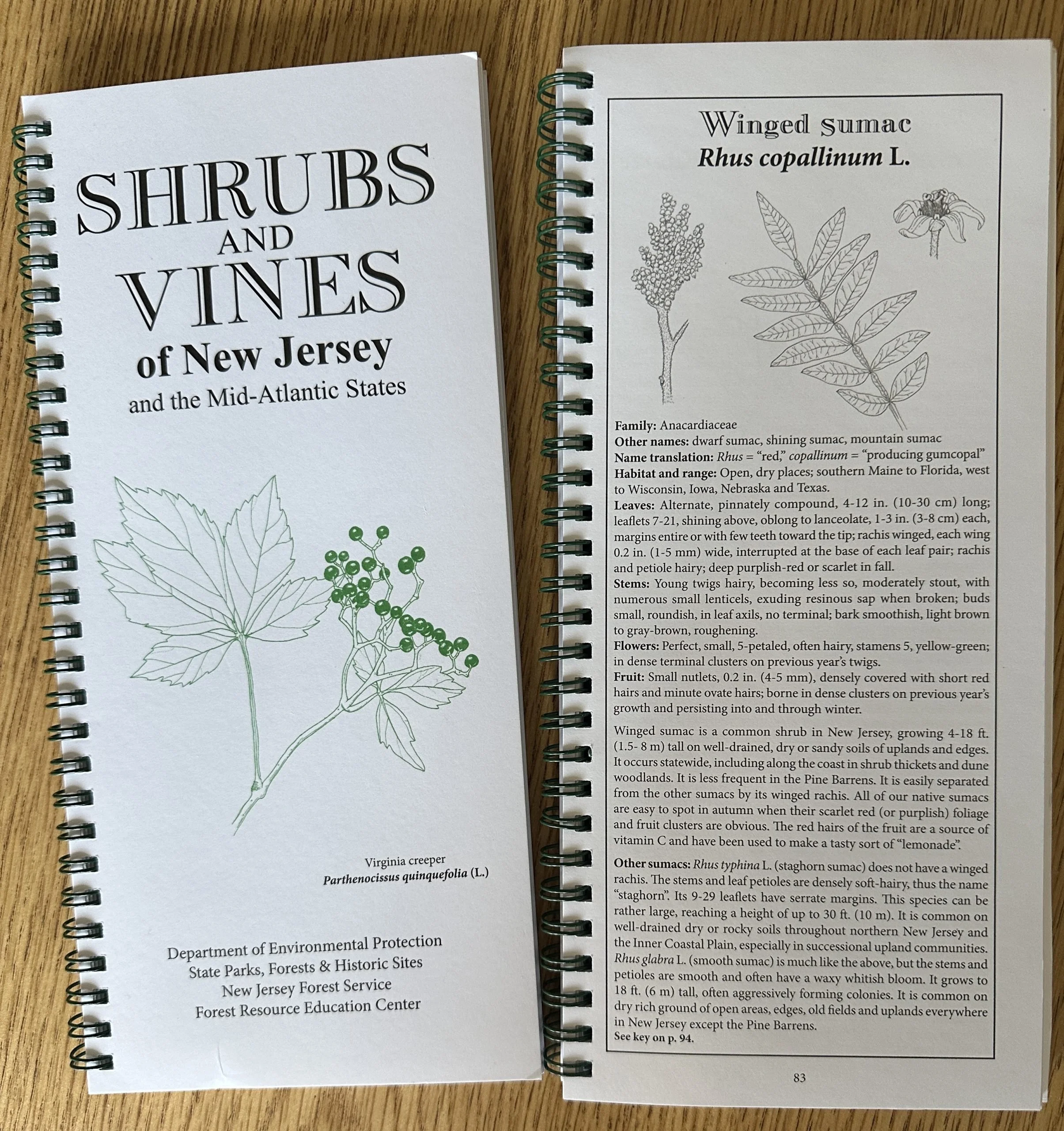
Biology professor Chris Martine and his wife, Rachel, artist relations and educational programs coordinator at the Weis Center, publish new guide to shrubs and vines of the mid-Atlantic states.

College Knowledge Podcast
Join host Clay Kovach in this captivating episode of College Knowledge as he welcomes Dr. Chris Martine, a renowned professor in plant genetics and research biology. They delve into the wonders of biology, biodiversity science, and plant research, discussing career paths in biology, the importance of hands-on experiences, and Bucknell University's innovative curriculum.

Foodie Pharmacology Podcast: Wild Tomatoes with Dr. Chris Martine, Dr. Tanisha Williams, Amy Wrobleski & Dr. Rebecca Bird
This week on the show, we go wild for bush tomatoes! I speak with an incredible crew of botanists and an anthropologist who share their work in studying a sweet relative of the tomato that grows in the Western Desert of Australia in lands managed by the Martu People with controlled burns. We cover topics of flavor, population genetics, and tales from the field!
NPR Short Wave: A newly identified type of tomato has been hiding in plain sight
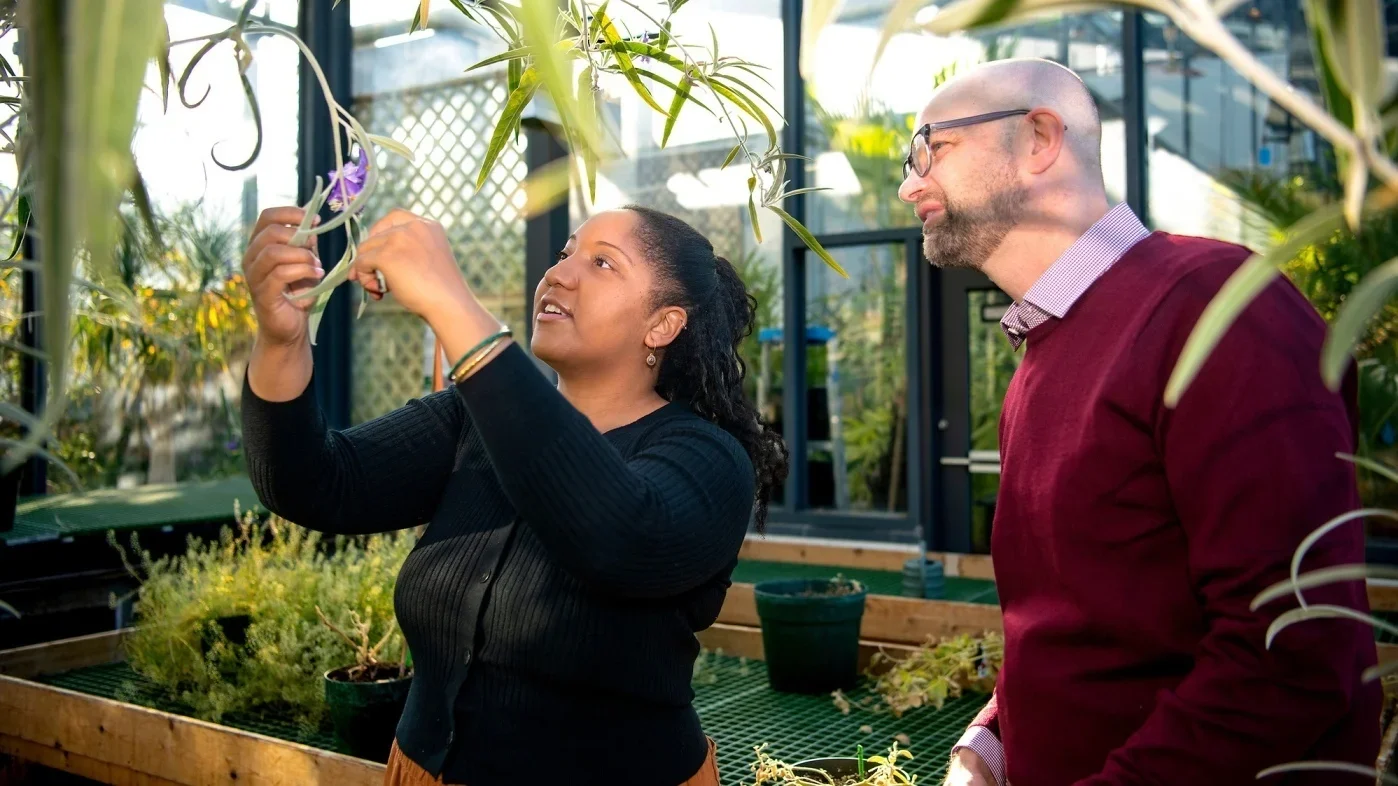
A few years ago, a team of U.S. and Australian researchers set out on a field expedition to the rugged, dry Northern Territory of Australia. Along their journey, the team happened upon a curious plant. That plant recently made its debut in PhytoKeys, a peer-reviewed, open-access journal. The research was led by Bucknell University scientists Tanisha Williams and Chris Martine. — NPR

WVIA Keystone Edition
This week, Lisa Mazzarella talks with a Professor from Bucknell University about the resilience of life down under. Kat Bolus reminds us that history has been made in the cities and towns of NEPA.
Cinema Verde Film Festival, Meet the Director
Cinema Verde Film Festival, Meet the Director excerpt.
Planthropology: Conservation Genetics, Cool Plants, and Coffee Pot Ramen w/ Dr. Chris Martine
I'm not sure if you know this, but I think plants are pretty cool. My guest for today's episode, Dr. Chris Martine, thinks Plants Are Cool Too! Chris and I talked about his past and experience, the ins and outs of being faculty at different kinds of universities, research, education, mentoring, conservation, and so many other things!

WNYC: The Brian Lehrer Show
Marielle Anzelone, botanist and founder of NYC Wildflower Week (.org), and Chris Martine, professor of Plant Genetics and Research at Bucknell University, YouTube host of "Plants are Cool Too!", and the author of Trees of New Jersey and the Mid-Atlantic States kick off a series of monthly conversations about the trees around us.
Planted: Finding Your Roots in STEM Careers
Dr. Chris Martine discusses how he incorporates innovation into his career. From discovering and naming plants, to communicating about plants in creative ways, Martine finds ways to push the boundaries of what we know and how we think about plants.
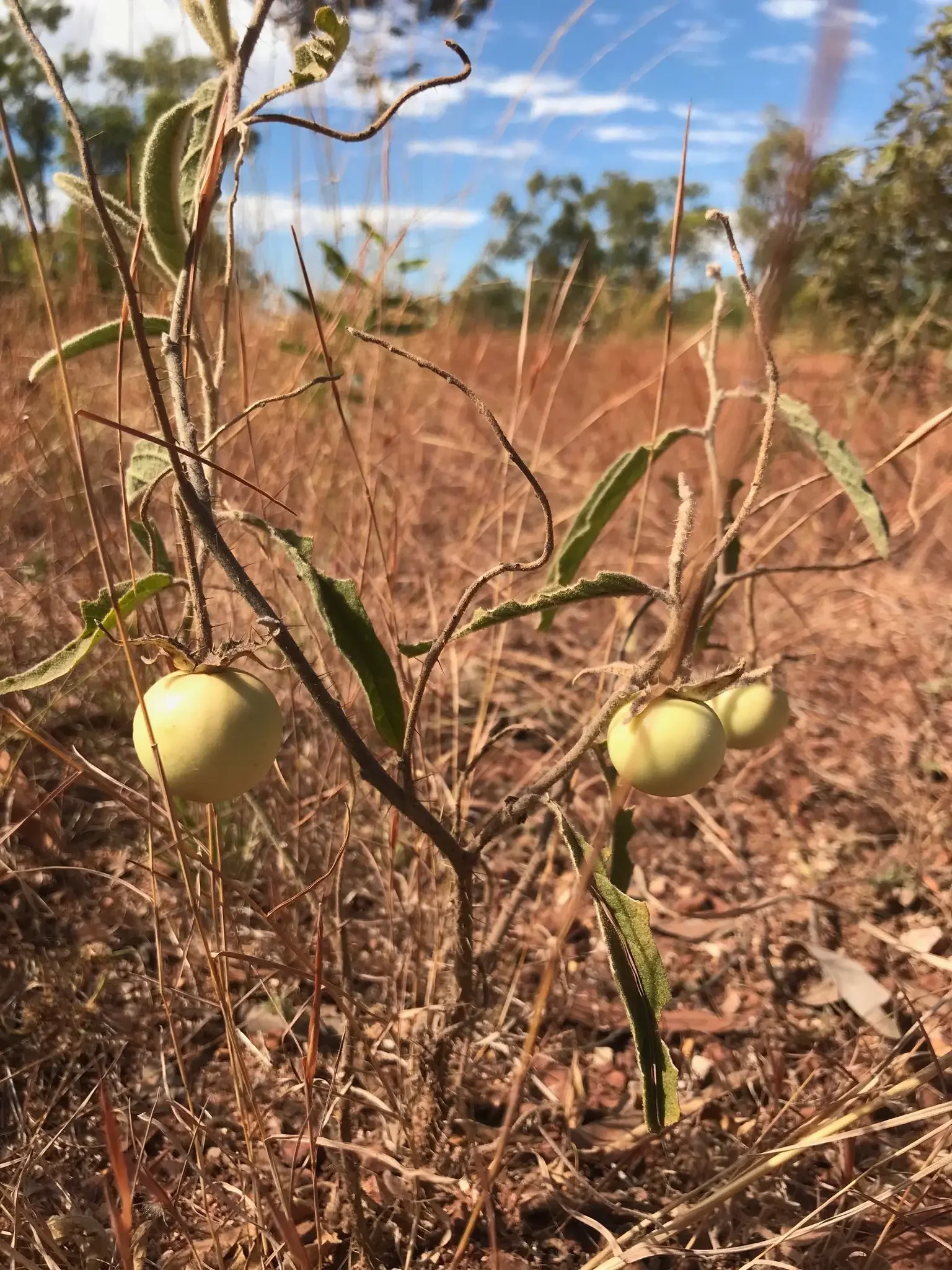
New York Times: Meet Australia’s New Sex-Changing Tomato
MELBOURNE, Australia — In the monsoon tropics of northern Australia, a little plant with prickles, gray-green leaves and purple flowers sprouted. It did not have a name, and it confounded scientists: Every time they encountered the plant, the sex of its flowers had changed.

In Defense of Plants: “On Spiny Solanum & SciComm”
Today we are joined by someone who is as passionate about doing science as he is with sharing his experiences with the world. Dr. Chris Martine is a true botany nut and his lab has been focusing on understanding the evolution of a group of Australian Solanaceae related to eggplants. We learn how pollinators have played a significant role in the evolution of a peculiar mating system and how that has led to a unique radiation in the genus Solanum. We also explore some of the reasons behind why we think science communication is so important as well as the many ways in which it can be effective and successful.
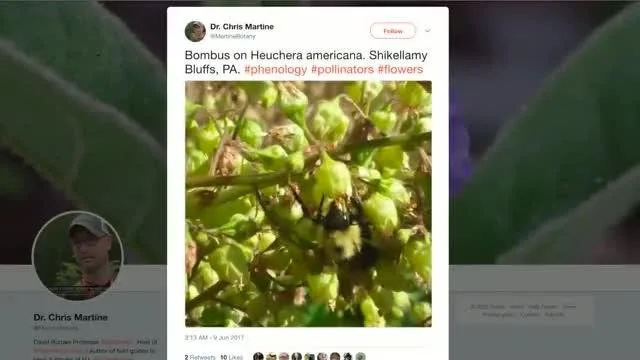
Science and Twitter join forces to uncover a globally imperiled plant species
What happens when researchers and social media combine forces in the name of science? A rare wildflower from the US and a team of Twitter-savvy botanists tell us a tale of symbiosis between science and modern technology.

The Ick Factor: Teaching Kids Science
Schools are emphasizing science, technology, engineering and math—the STEM subjects. Many people believe science is too technical for kids to understand. We talk to two experts who say children take to science readily if it’s presented in the right way by tapping into the “ick factor” that seems to fascinate them.
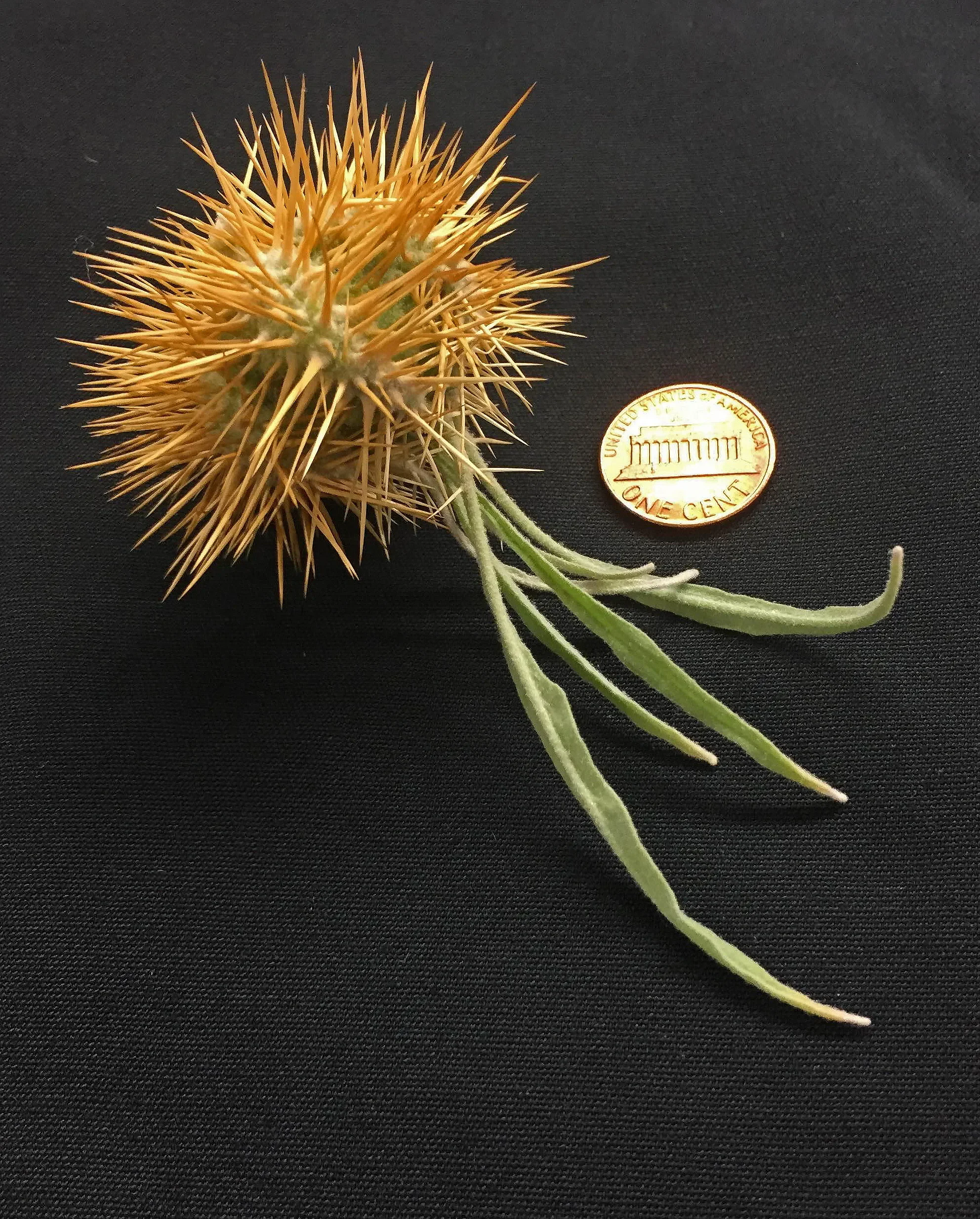
Science Friday: Don’t Eat This Tomato
Yes, what you see above is, in fact, a tomato. Crack open the spiky burr, and if the tomato fruit isn’t quite ripe, you’ll see something resembling the fleshy, seedy tomatoes you might find in your supermarket aisle. But the color will look more “like the interior of a Granny Smith apple—that whitish [color with] a little bit of green tint,” says Chris Martine, a biology professor at Bucknell University.
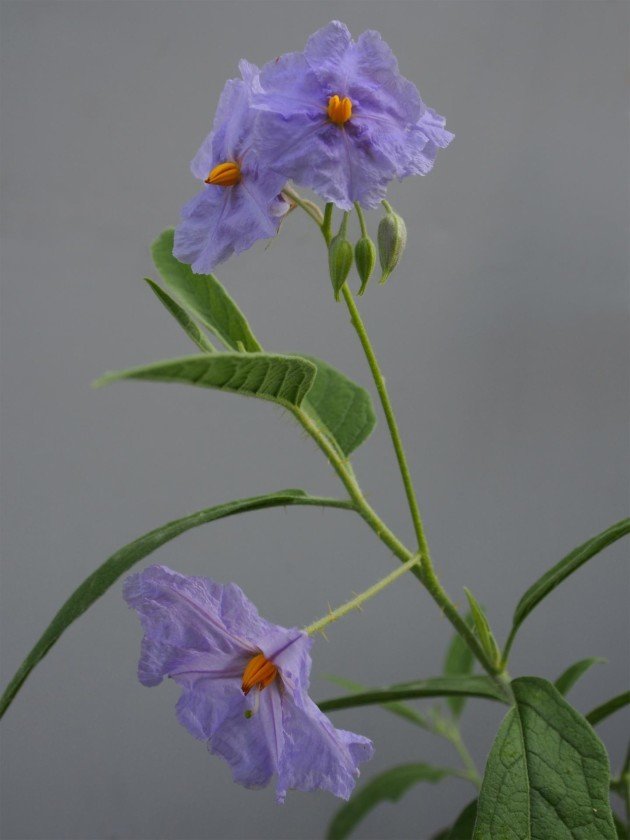
Solanum watneyi: Flower named after ‘Martian’ astronaut gets its day in the sun
Timing is everything, even when it comes to naming plant species. Bucknell University botanist Chris Martine found that out last fall, when he announced that a newly identified species of Australian bush tomato would be named after Mark Watney, the central character in a little movie called “The Martian.”